Can Allergies Affect Your Eyes?
If you've ever spent a spring afternoon outdoors only to return home with red, itchy, watering eyes, you're far from alone. Eye allergies — medically known as allergic conjunctivitis — affect tens of millions of Americans every year, and for many people, the eyes bear the brunt of seasonal allergy season.
The ophthalmologists and eye care specialists at Affiliated Eye Surgeons have helped patients throughout Northern New Jersey manage eye allergy symptoms for decades. Here's what you should know — and when to call us.
Why Do Allergies Affect the Eyes?
Your eyes are one of the most exposed surfaces of the body. They're constantly in contact with the air around you, which means airborne allergens have direct access to the sensitive membranes that line your eyelids and cover the whites of your eyes.
Common triggers include:
- Tree, grass, and weed pollen (especially in spring and fall)
- Pet dander and animal hair
- Dust mites and indoor mold
- Smoke and air pollution
- Certain eye drops or contact lens solutions
When your immune system identifies one of these triggers as a threat, it releases histamine and other chemicals that cause the blood vessels in your eyes to dilate and the surrounding tissue to become inflamed. The result: the classic cluster of eye allergy symptoms.
Recognizing Allergic Conjunctivitis
Seasonal allergic conjunctivitis — commonly called hay fever eyes — is the most widespread form of eye allergy. Symptoms typically include:
- Intense itching or burning in one or both eyes
- Redness and visible irritation of the whites of the eyes
- Watery, clear discharge
- Swelling or puffiness of the eyelids
- Increased light sensitivity
- A gritty or scratchy sensation
These symptoms often occur alongside nasal allergy signs — runny nose, sneezing, or congestion — but not always. In some patients, ocular symptoms are the primary or only complaint.
What Helps — and What Makes It Worse
There are several practical steps you can take to reduce the impact of eye allergies:
- Stay indoors in the morning — outdoor pollen counts tend to peak in the early morning hours, particularly on warm, breezy days.
- Keep windows closed — use air conditioning at home and in your car during high-pollen periods.
- Change your clothes and shower after outdoor activities to remove pollen from your skin and hair.
- Apply a cool compress — a clean cloth soaked in cool water and gently pressed over closed eyes can reduce swelling and soothe irritation.
- Use preservative-free artificial tears — they help dilute allergens on the eye's surface and provide a protective barrier. Ask our team which formulas work best.
- If you're allergic to indoor allergens like dust, keep windows open when outdoor pollen is low and replace household air filters regularly.
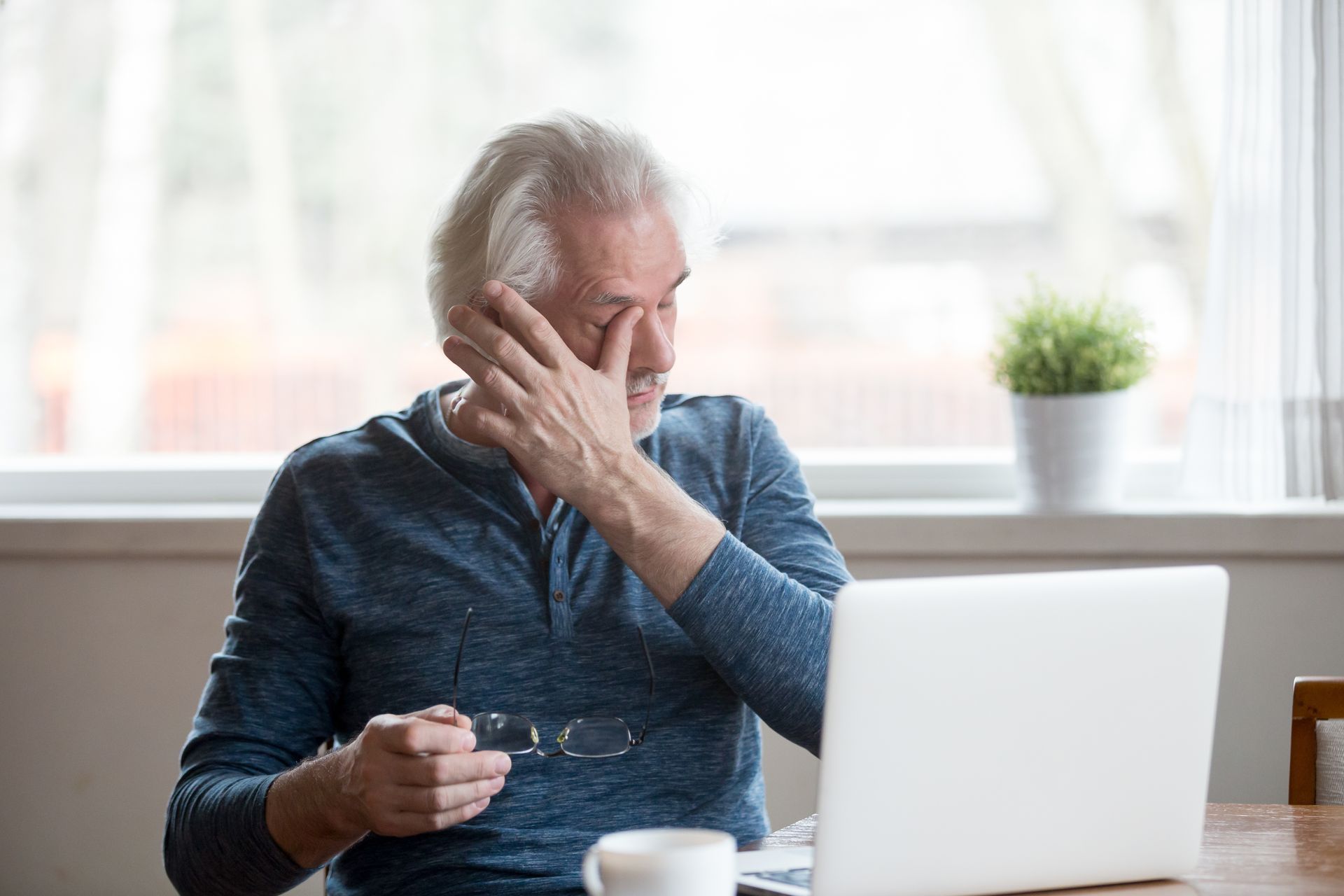
One of the most important things to avoid: rubbing your eyes. It's a natural impulse, but rubbing releases more histamine from the tissues, almost always making symptoms worse. It can also introduce bacteria from your hands and, in patients with pre-existing corneal conditions like keratoconus, cause lasting structural damage.
When Over-the-Counter Remedies Aren't Enough
The pharmacy aisle offers a variety of antihistamine and decongestant eye drops that can provide temporary relief. These can be effective for mild or infrequent symptoms. However, some decongestant drops — particularly those marketed to "get the red out" — should not be used long-term, as they can cause rebound redness and dependency with overuse.
If your symptoms are persistent, severe, or are interfering with your daily life, work, or sleep, it's time to see an ophthalmologist. At Affiliated Eye Surgeons, we can prescribe a range of proven anti-allergy medications — including prescription-strength antihistamine drops, mast cell stabilizers, and combination agents — that are significantly more effective than over-the-counter products for moderate to severe allergic conjunctivitis.
In some cases, oral medications or a referral to an allergist for formal allergy testing and immunotherapy may be recommended. And importantly, an eye examination helps us confirm that what you're experiencing is allergy-related — not a more serious ocular condition that happens to look similar.
Allergies and Contact Lens Wearers
If you wear contact lenses, allergy season can be especially challenging. Lenses can accumulate airborne allergens throughout the day, amplifying discomfort. Some patients find that switching to daily disposable contacts during peak allergy season dramatically reduces irritation. Others may need to temporarily return to glasses. Our optometrist Dr. Mariam Elias can help you navigate contact lens care and fit during allergy season.
Serving Patients Across Northern New Jersey
Affiliated Eye Surgeons has offices in Morristown, West Orange, and Denville to serve patients throughout Morris County and the surrounding region. If seasonal allergies are making it difficult to work, drive, or simply enjoy being outdoors, we're here to help you find lasting relief.
Frequently Asked Questions
Can seasonal allergies affect your eyes?
Yes — seasonal allergies frequently cause eye symptoms, a condition known as allergic conjunctivitis. When airborne allergens like pollen, mold, or pet dander contact the surface of the eye, the immune system releases histamine, triggering redness, itching, swelling, watering, and a burning or gritty sensation. Eye symptoms may occur alongside nasal allergy signs or in isolation. The ophthalmologists at Affiliated Eye Surgeons in Northern New Jersey can diagnose and treat allergic conjunctivitis with prescription drops and tailored management plans.
What is allergic conjunctivitis?
Allergic conjunctivitis is an inflammation of the conjunctiva — the thin membrane covering the whites of the eyes and the inner surfaces of the eyelids — triggered by an allergic reaction. The most common form is seasonal allergic conjunctivitis, often called hay fever eyes, which is caused by outdoor pollen. Perennial allergic conjunctivitis occurs year-round and is typically driven by indoor allergens such as dust mites, mold, or pet dander. Both forms are highly treatable with appropriate eye care.
What are the symptoms of eye allergies?
Common symptoms of eye allergies include intense itching or burning in one or both eyes, redness, excessive tearing, swollen or puffy eyelids, a gritty sensation, and sensitivity to light. These symptoms are typically bilateral (affecting both eyes) and often accompany sneezing, a runny nose, or nasal congestion. If you experience eye pain, vision changes, or discharge that is thick and yellow or green, you should be evaluated promptly, as these may indicate a different underlying condition.
How do I stop my eyes from itching due to allergies?
To relieve eye itching caused by allergies, begin by avoiding known triggers — staying indoors during high pollen periods and keeping windows closed. Apply cool compresses over closed eyes to reduce inflammation and soothe irritation. Preservative-free artificial tears can help dilute allergens on the eye's surface. Over-the-counter antihistamine eye drops may provide short-term relief. Avoid rubbing your eyes, as this releases additional histamine and worsens symptoms. For persistent or severe itching, an ophthalmologist can prescribe more effective prescription-strength anti-allergy drops.
When should I see a doctor for eye allergies?
You should see an eye doctor if your allergy symptoms are persistent, severe, or not responding to over-the-counter treatments; if your vision is affected; if you experience eye pain rather than just itching or irritation; if you have significant light sensitivity; or if discharge from the eye becomes thick or colored rather than clear and watery. An ophthalmologist can confirm that your symptoms are caused by allergies rather than infection, and can prescribe more effective treatments for moderate to severe cases.
Are eye allergy drops safe to use every day?
It depends on the type of drop. Prescription antihistamine and mast cell stabilizer eye drops are generally safe for daily use as directed by your doctor. However, over-the-counter decongestant drops — those marketed to reduce redness — should not be used daily for extended periods, as they can cause rebound redness and dependency over time. Preservative-free artificial tears are generally safe for frequent use. Talk to your ophthalmologist about which products are appropriate for your specific symptoms and how often to use them.
Can eye allergies affect contact lens wearers?
Yes. Contact lens wearers often experience more intense eye allergy symptoms because allergens can accumulate on the lens surface throughout the day, amplifying irritation. Strategies that help include switching to daily disposable lenses during allergy season, using antihistamine eye drops before inserting lenses (and waiting at least 10 minutes), rinsing lenses or replacing them more frequently, or temporarily wearing glasses during peak allergy periods. Our optometrist at Affiliated Eye Surgeons can advise you on the best contact lens approach during allergy season.
Does rubbing your eyes make allergies worse?
Yes — rubbing your eyes during an allergic reaction almost always makes symptoms worse. Rubbing stimulates mast cells in the conjunctiva to release additional histamine, intensifying itching, redness, and swelling. It also introduces bacteria and allergens from your hands to the eye's surface. For patients with keratoconus or other corneal conditions, eye rubbing carries additional risks, as it can contribute to corneal thinning and distortion over time. Instead, apply a cool compress and use appropriate eye drops to relieve discomfort.
Recent Posts