Dry Eye Disease: Causes, Symptoms & Treatment
If your eyes frequently feel dry, gritty, burning, or irritated — or if they water constantly despite feeling dry — you may be experiencing dry eye disease. It's more common than most people realize, and it's often undertreated because patients assume it's a minor inconvenience they simply have to live with.
Dry eye disease is a chronic condition that affects the surface of the eye, and left unmanaged it can cause real damage to corneal tissue over time. The good news is that it is highly treatable — but effective treatment usually requires understanding what type of dry eye you have, because the underlying causes vary considerably from patient to patient.
This guide explains what dry eye disease actually is, why it happens, how it's diagnosed, and what treatment options are available.
Struggling with dry, irritated eyes in Northern NJ? Dr. Mariam Elias, OD specializes in dry eye evaluation and management at Affiliated Eye Surgeons. Call our Morristown office at (973) 984-5005 or request an appointment online.
What Is Dry Eye Disease?
Dry eye disease (also called dry eye syndrome or keratoconjunctivitis sicca) occurs when the eye's tear film is unstable or insufficient — either because the eye doesn't produce enough tears, or because the tears it does produce evaporate too quickly.
The tear film is a thin, multi-layered structure that covers the surface of the eye with every blink. It has three layers:
- The outer lipid (oily) layer — secreted by the meibomian glands along the eyelid margins; this layer prevents tears from evaporating too quickly
- The middle aqueous (watery) layer — produced by the lacrimal glands; provides moisture and nutrients to the cornea
- The inner mucin (mucus) layer — secreted by goblet cells in the conjunctiva; helps the tear film adhere smoothly to the eye's surface
When any of these layers is disrupted, the tear film breaks down between blinks — exposing the corneal surface to air and creating the symptoms of dry eye.
The Two Main Types of Dry Eye
Aqueous-Deficient Dry Eye
The eye simply doesn't produce enough watery tears. The lacrimal glands — tucked under the upper eyelid — are underproducing. This is less common than evaporative dry eye but tends to be more severe when it occurs. Autoimmune conditions like Sjögren's syndrome, rheumatoid arthritis, and lupus can cause or accelerate aqueous-deficient dry eye.
Evaporative Dry Eye (Meibomian Gland Dysfunction)
Far more common — accounting for approximately 85% of dry eye cases. The problem here is not the volume of tears but their quality. The meibomian glands, which line the edges of both eyelids, produce the oily layer that prevents tears from evaporating. When these glands become blocked, inflamed, or dysfunctional (meibomian gland dysfunction, or MGD), the oily layer thins or disappears — and even an adequate volume of tears evaporates rapidly, leaving the corneal surface exposed.
MGD is often invisible to patients and many practitioners without specific examination techniques. It's one of the most underdiagnosed conditions in eye care.
Common Causes and Risk Factors
Dry eye disease has many contributing factors, and most patients have more than one at play:
Age
Tear production naturally decreases with age. Dry eye is significantly more prevalent in adults over 50.
Hormonal Changes
Women are disproportionately affected by dry eye disease — particularly during and after menopause, during pregnancy, and when using oral contraceptives. Androgens play a role in meibomian gland function, and falling androgen levels contribute to MGD.
Screen Use
When we concentrate on screens, our blink rate drops by up to 60%. Incomplete blinks are also common — the eye closes partially without fully spreading the tear film. Modern digital device use is one of the primary drivers of dry eye prevalence, particularly in younger patients.
Contact Lenses
Contact lens wear disrupts the tear film and accelerates tear evaporation. Many patients who develop dry eye symptoms first notice them as contact lens intolerance — lenses become uncomfortable earlier in the day, or can no longer be worn for full workdays.
Medications
Antihistamines, decongestants, antidepressants, blood pressure medications, and hormonal therapies are among the most common medications that reduce tear production or alter tear composition. If you take any of these and are experiencing dry eye symptoms, it's worth discussing with both your eye doctor and prescribing physician.
Environment
Air conditioning, heating systems, airplane cabins, dry climates, and wind all accelerate tear evaporation. Patients who work in air-conditioned offices all day or who travel frequently often notice worsened symptoms.
Previous Eye Surgery
LASIK and other refractive surgeries can temporarily or permanently affect corneal nerve density, reducing the reflex that triggers tear production. Post-surgical dry eye is common and often improves over 6–12 months, but may require active management during that period.
Recognizing the Symptoms
Dry eye symptoms are varied and sometimes counterintuitive:
- Dryness, grittiness, or a foreign body sensation — the feeling of something in the eye
- Burning or stinging, especially in dry or air-conditioned environments
- Redness and light sensitivity
- Blurry vision that fluctuates — often improves temporarily with blinking
- Eye fatigue during reading or screen use
- Watery eyes — paradoxically, excess tearing is a common dry eye symptom; it represents reflex tearing, where the eye overproduces watery tears to compensate for an unstable tear film
- Contact lens discomfort — lenses that were comfortable are now irritating, or can only be worn for a few hours
- Discharge or crusting along the eyelid margins, particularly upon waking
How Dry Eye Is Diagnosed
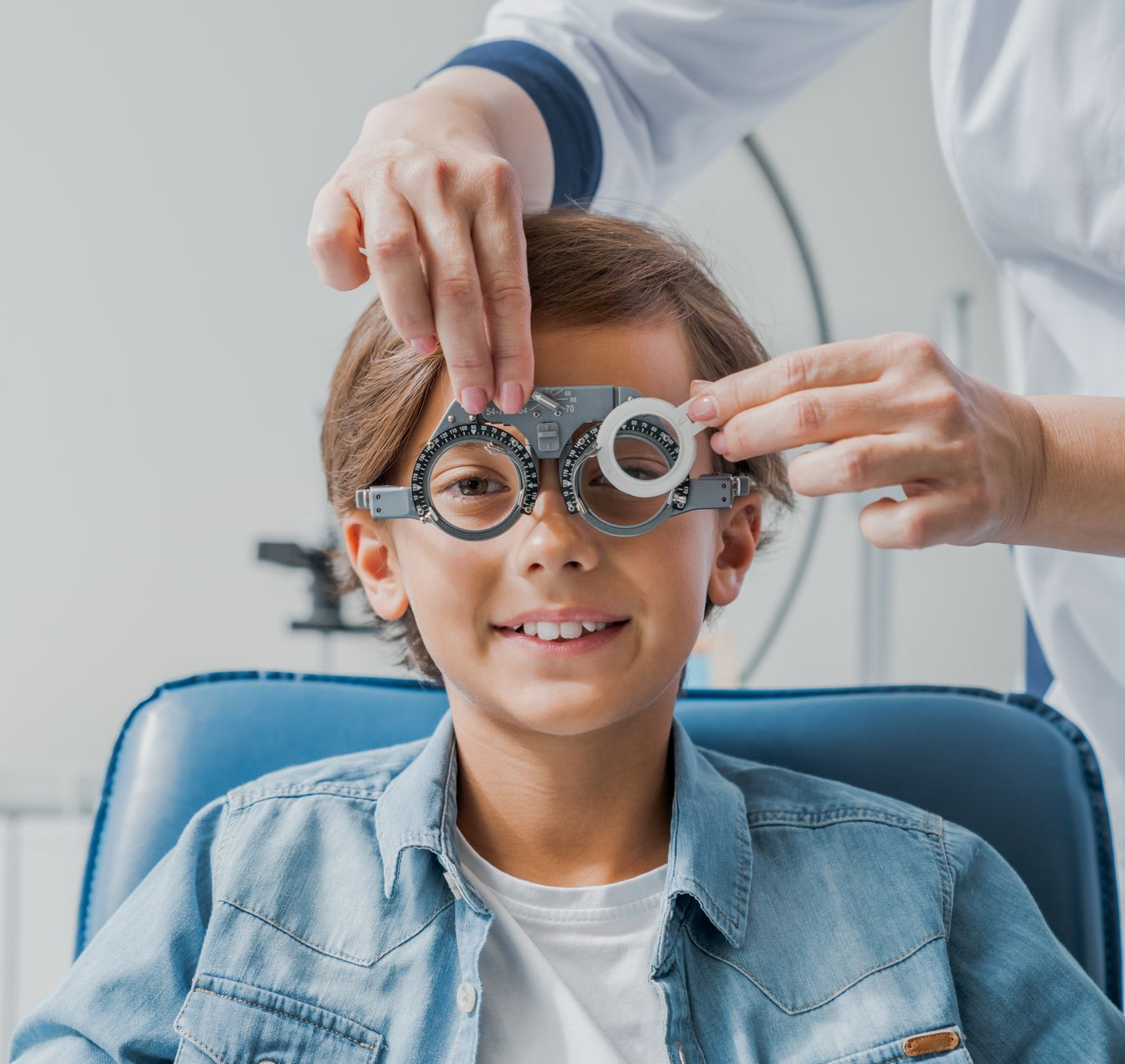
Accurate diagnosis requires more than a symptom questionnaire. At Affiliated Eye Surgeons, Dr. Elias performs a comprehensive dry eye evaluation that may include:
- Tear breakup time (TBUT) — measures how long the tear film remains stable after a blink
- Schirmer's test — a small paper strip placed under the lower eyelid to measure tear production volume
- Meibomian gland assessment — evaluation of gland expressibility and meibum quality at the lid margin
- Corneal and conjunctival staining — fluorescein and lissamine green dyes to identify areas of surface damage
- Osmolarity testing — measures the saltiness (concentration) of the tears, which rises in dry eye disease
This evaluation allows us to identify the type, severity, and underlying cause of your dry eye — and to design a treatment plan that addresses the specific mechanisms at work, rather than simply prescribing eye drops.
Treatment Options
Dry eye disease is a chronic condition — the goal of treatment is management and symptom control, not a one-time cure. Treatment is typically layered, starting with lifestyle modifications and escalating to more advanced interventions as needed.
Artificial Tears and Lubricating Drops
Preservative-free artificial tears are the foundation of dry eye management for most patients. They supplement and stabilize the tear film and provide symptom relief. However, drops address symptoms only — they do not treat the underlying cause. For moderate to severe dry eye, drops alone are rarely sufficient.
Warm Compresses and Lid Hygiene
For patients with meibomian gland dysfunction, warm compresses applied to closed eyelids for 5–10 minutes daily soften the thickened meibum in blocked glands, improving gland expressibility. Lid scrubs or hypochlorous acid sprays reduce the bacterial load and inflammation along the lid margin that contributes to MGD.
Prescription Anti-Inflammatory Drops
Inflammation plays a central role in dry eye disease — it damages the surface cells that produce mucin and contributes to a self-perpetuating cycle of surface damage and worsening dryness. Prescription cyclosporine drops (Restasis, Cequa) and lifitegrast drops (Xiidra) interrupt this inflammatory cycle. These medications take 3–6 months to reach full effect and require consistent use.
Punctal Plugs
Tiny dissolvable or semi-permanent plugs inserted into the tear drainage openings (puncta) of the eyelids to slow tear drainage and keep more moisture on the eye's surface. A quick, painless in-office procedure that can provide significant relief for aqueous-deficient dry eye.
In-Office Procedures (IPL, LipiFlow)
For moderate to severe meibomian gland dysfunction, in-office procedures can provide more significant relief than drops and compresses alone. Intense pulsed light (IPL) therapy uses light energy to reduce inflammation and improve gland function. LipiFlow uses controlled heat and gentle pulsation to express blocked glands directly. These treatments can produce meaningful improvement in gland function and tear quality.
Specialty Contact Lenses for Dry Eye
For patients with severe dry eye who need contact lens correction, scleral lenses — which vault the cornea and maintain a reservoir of saline solution in contact with the corneal surface throughout the day — can be transformative. They are also used for patients with ocular surface disease that makes standard lens wear impossible.
Dry Eye Care in Northern New Jersey
Dr. Mariam Elias, OD brings specialized expertise in dry eye evaluation and management to Affiliated Eye Surgeons. She takes a thorough, diagnostic approach — identifying the specific type and severity of dry eye before recommending treatment, rather than defaulting to a standard protocol.
If you've been living with dry, uncomfortable eyes and haven't found lasting relief, we'd encourage you to request a dedicated dry eye evaluation at any of our three Northern NJ offices.
- Morristown: (973) 984-5005 — 95 Madison Avenue, Suite 400
- West Orange: (973) 736-3322 — 405 Northfield Avenue, Suite 206
- Denville:
(973) 586-2188 — 1 Indian Road, Suite 9
Frequently Asked Questions
What causes dry eye?
Dry eye disease has many causes, but the most common is meibomian gland dysfunction (MGD) — a condition in which the oil-secreting glands along the eyelid margins become blocked or inflamed, causing tears to evaporate too quickly. Other common causes include reduced tear production with age, hormonal changes (particularly in women during menopause), screen use, contact lens wear, certain medications (antihistamines, antidepressants, blood pressure drugs), and environmental factors like air conditioning and dry climates. Most patients have more than one contributing factor.
Why are my eyes watering if I have dry eye?
Watery eyes are one of the most common — and most confusing — symptoms of dry eye disease. When the eye's baseline tear film is unstable or insufficient, the lacrimal gland responds with a surge of reflex tearing to protect the corneal surface. These reflex tears are mostly water and don't have the lipid content needed to stabilize the tear film, so the cycle of instability continues. Persistent watery eyes that don't improve with blinking, especially if accompanied by irritation or grittiness, are worth evaluating for dry eye disease.
What is the best treatment for dry eyes?
The best treatment depends on the type and severity of dry eye. For mild cases, preservative-free artificial tears and warm compresses for meibomian gland dysfunction are a good starting point. For moderate to severe dry eye, prescription anti-inflammatory drops (cyclosporine or lifitegrast), punctal plugs, or in-office procedures like IPL or LipiFlow may be needed. Because dry eye has multiple subtypes with different underlying mechanisms, the most effective approach is a thorough diagnostic evaluation followed by targeted treatment — not a one-size-fits-all protocol.
Can dry eye disease cause permanent damage?
Yes — if left untreated or undertreated over a long period, dry eye disease can cause cumulative damage to the corneal epithelium (the surface cells of the eye). Chronic dryness leads to micro-abrasions, goblet cell loss, corneal staining, and in severe cases, corneal scarring that can affect vision. This is why consistent management matters — even when symptoms are tolerable. Regular monitoring by an eye care provider ensures that surface damage is detected early and treatment is adjusted as needed.
Is dry eye disease related to screen use?
Yes, significantly. When we focus on screens, our blink rate drops by up to 60%, and many blinks are incomplete — not fully spreading the tear film across the cornea. This allows the tear film to break down faster than normal, exposing the corneal surface between blinks. The 20-20-20 rule (every 20 minutes, look at something 20 feet away for 20 seconds) helps, as does conscious effort to blink fully. However, habitual screen users often need more than behavioral modification — particularly if meibomian gland dysfunction is also present.
Can I wear contact lenses if I have dry eye?
Many patients with dry eye can continue wearing contact lenses with appropriate management. Strategies include switching to daily disposable lenses (less deposit buildup), using lubricating drops designed for use with contacts, reducing daily wear time, and treating the underlying dry eye condition more aggressively. For patients with severe dry eye who cannot tolerate standard contact lenses, scleral lenses — which maintain a saline reservoir over the cornea — are often an excellent option. Our optometrist Dr. Mariam Elias specializes in contact lens fitting for dry eye patients.
Where can I find a dry eye specialist in Northern NJ?
Affiliated Eye Surgeons offers dedicated dry eye evaluation and management at our three Northern NJ locations — Morristown, West Orange, and Denville. Dr. Mariam Elias, OD specializes in dry eye diagnosis and treatment, with a comprehensive diagnostic approach that identifies the specific type and cause of your dry eye before recommending a treatment plan. To schedule a dry eye evaluation, call our Morristown office at (973) 984-5005 or request an appointment online.
Recent Posts